When my girlfriend and I recently listened to “Love On The Outside” by the indie band Wishy (released on May 13, 2024, on their Triple Seven EP), we knew we had to record a cover of the song because it perfectly captured the essence of what we both enjoy in contemporary indie rock. Written by Kevin Krauter—who performed the original lead vocals, guitars, and bass—the song is a masterclass in modern indie rock arrangement: lush open-tuning guitar voicings, delicate vocal harmonies, and a wall-of-sound fuzz outro that hits like a ton of bricks.
For this recording session, my side project, The Aurelia Drift, recorded a cover featuring Karen on lead and harmony vocals. I handled all the remaining tracking: rhythm and lead guitars, bass, drums, and background vocals. Here is an expanded deep dive into how we pulled this project together, from stem separation quirks in Logic Pro to emulating vintage guitars and amps with digital modeling.
1. Learning the Arrangement: Logic Pro Stem Separation & The Latency Gotcha
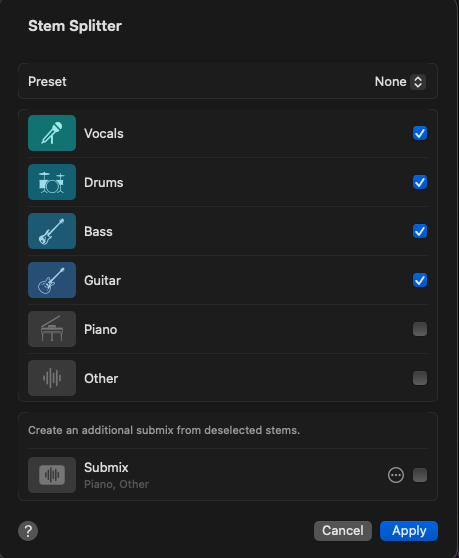
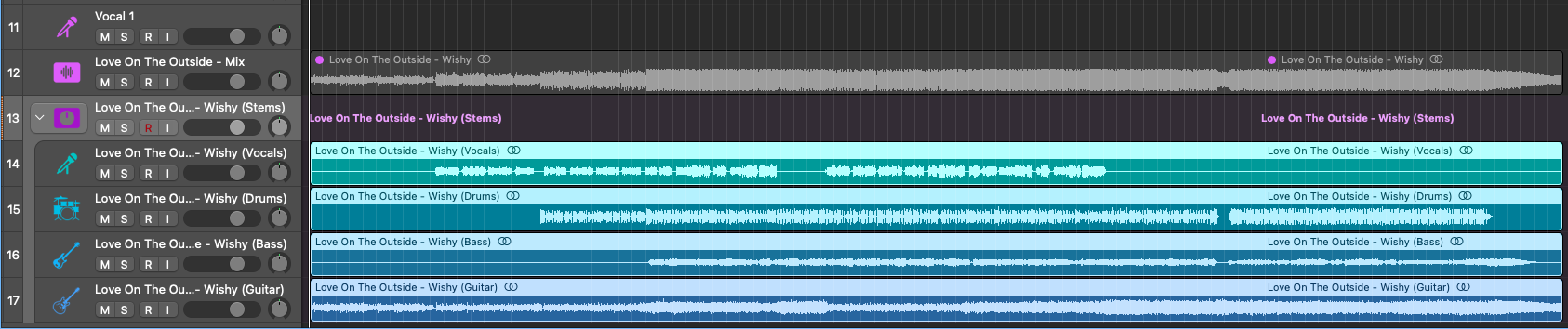
To map out the exact guitar voicings used on the original recording, I relied on Logic Pro’s Stem Separation feature. By dividing the track into separate stems— Drums, Bass, Guitars, and Vocals— I could focus on Kevin Krauter’s unique chord inversions and rhythm without distractions.
Studio Observation (Stem Buffer Delay): While machine-learning stem separation is an incredible tool for learning parts, we ran into a critical issue during vocal tracking. Machine-based stem isolation algorithms introduce a slight phase delay/buffer latency. When Karen attempted to use the isolated vocal stem as a reference guide track during tracking, her timing was subtly off. If you are using stem separation in your own DAW, use isolated stems strictly for analysis, and switch back to the original mixed track or raw click tracks during live recording.
2. Deep Dive: Tunings, The Peavey T-60, & Variax Modeling
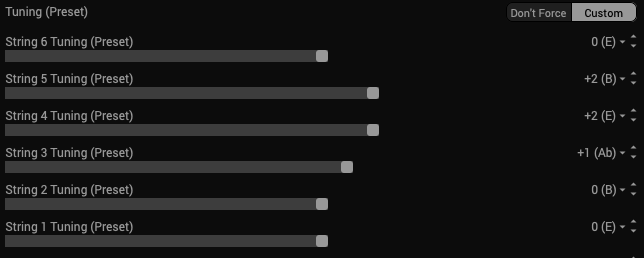
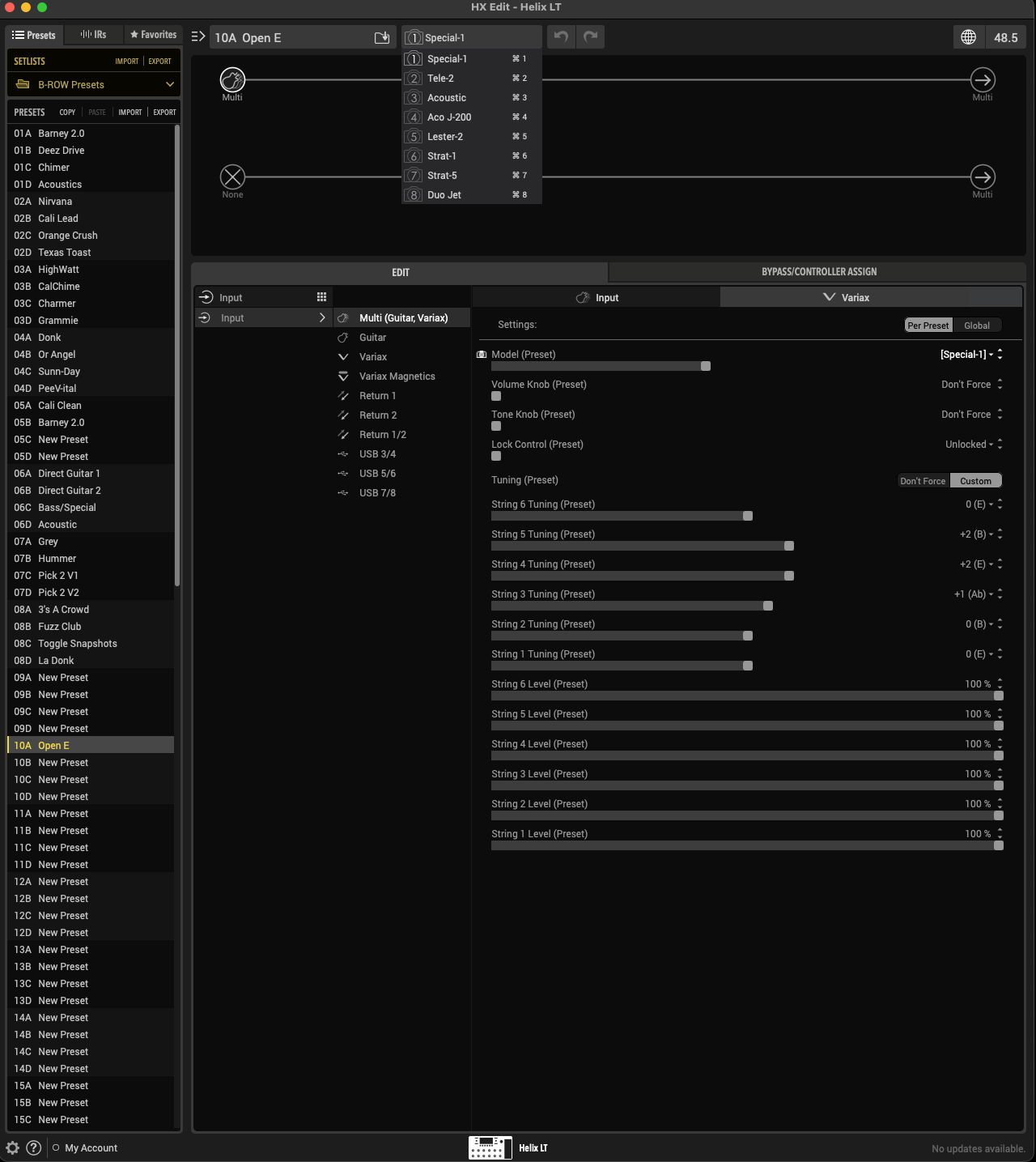
In a Reddit AMA on r/indieheads, Kevin and Nina Pitchkites broke down their live setups and tuning choices. A major key to the rich, ringing sustain on "Love On The Outside" is Open E Tuning (E-B-E-G#-B-E). Open E allows simple barres and open-string drones that give the song its wide, harmonic width.
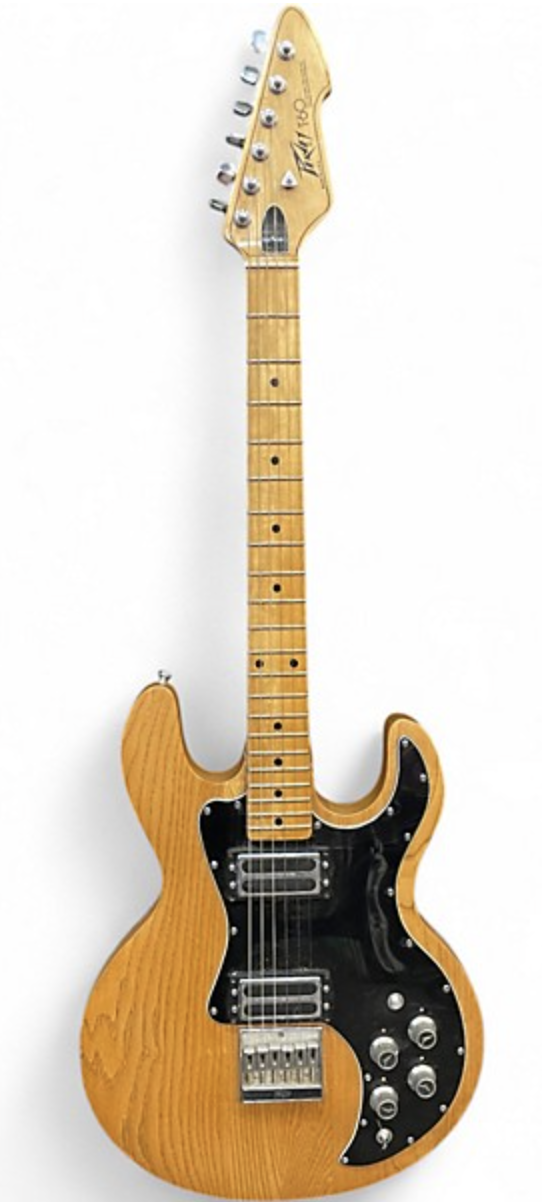
Kevin’s primary guitar for the studio recording was a classic Peavey T-60. Introduced in the late 1970s the T-60 is legendary among tone nerds. Its unique circuitry features humbuckers that automatically split into single-coils as you roll the tone knobs past 7, delivering everything from thick, mid-heavy crunch to snappy Tele-style bite.
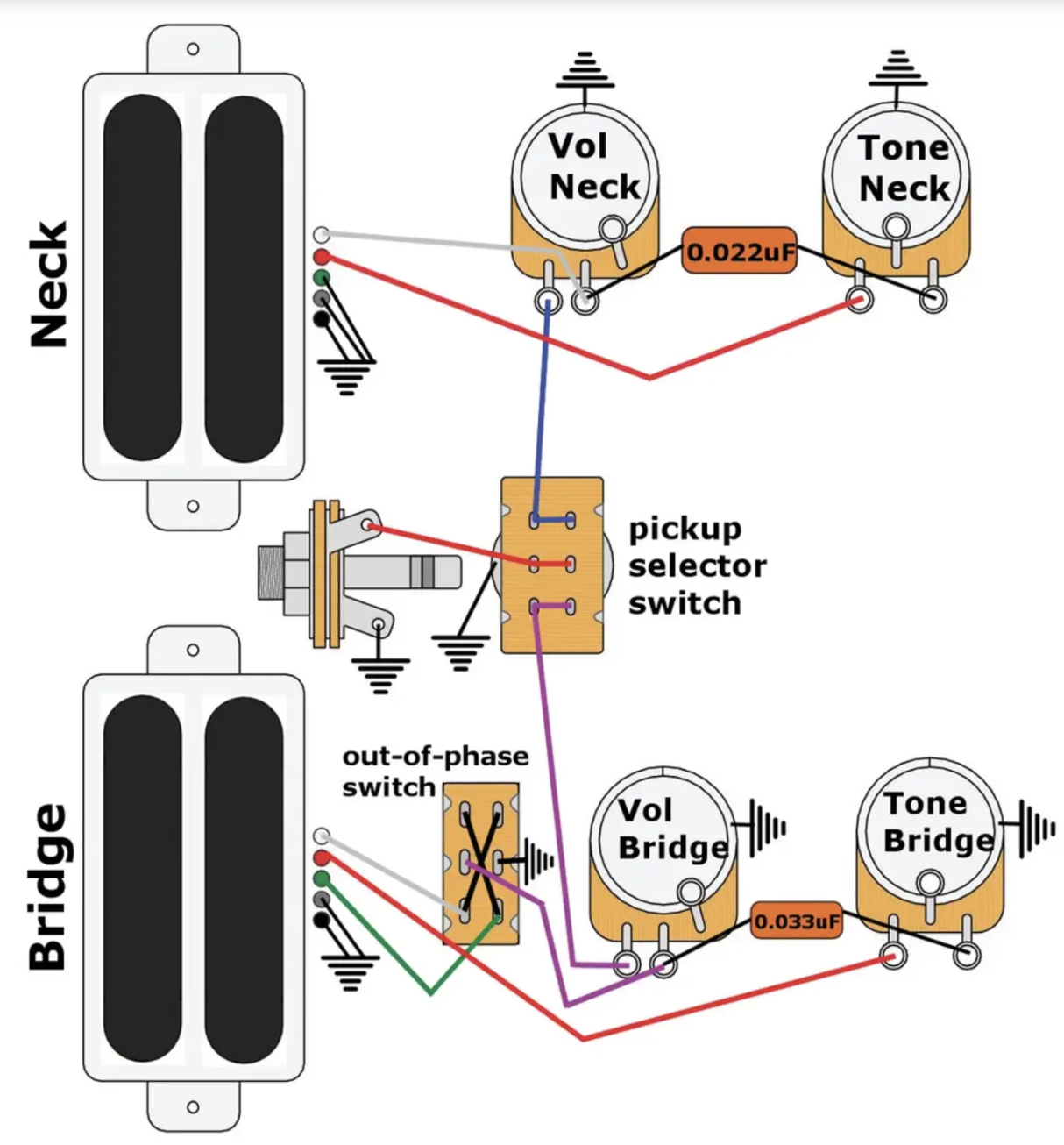
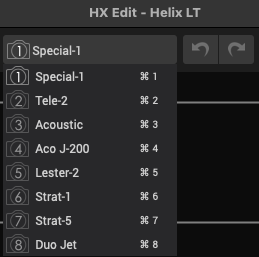
Rather than re-tuning multiple physical guitars, I recreated the entire guitar lineup using a Line 6 Variax JTV-59 controlled via a Helix LT:
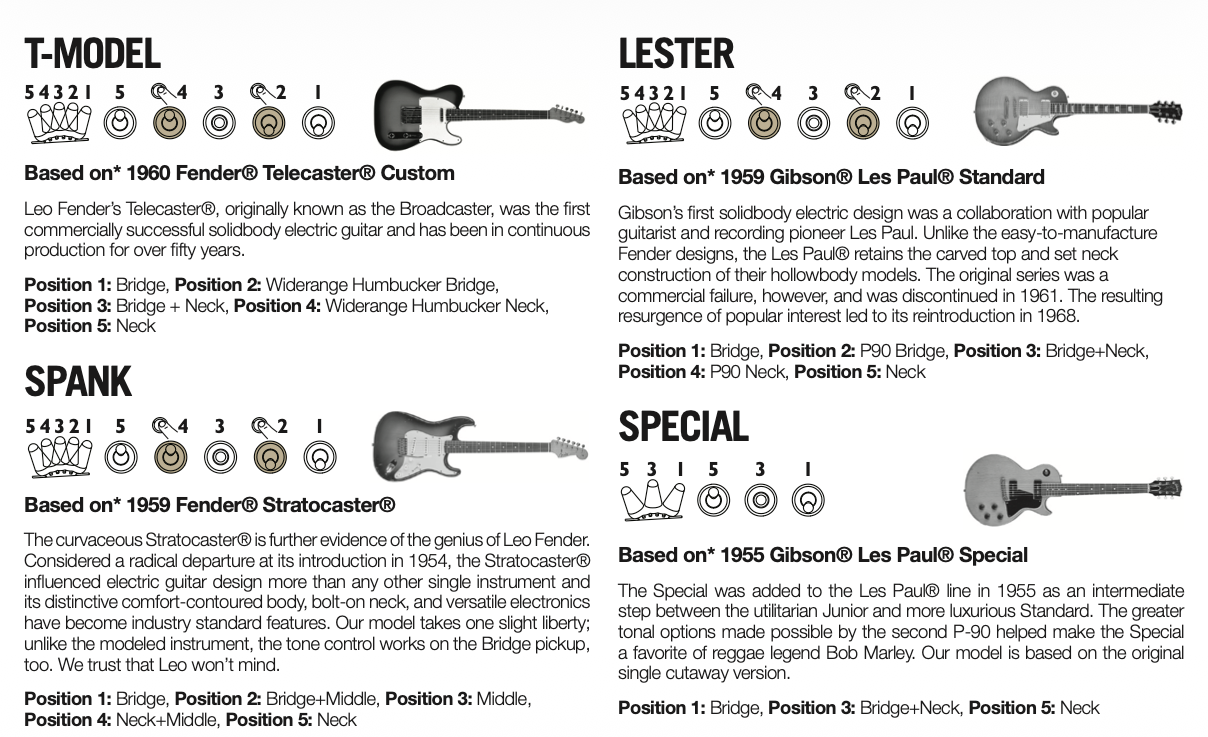
- Special-1 Model (Peavey T-60 Emulation): Mapped via custom Helix snapshots to mirror the unique phase characteristics and humbucker-to-single-coil split of Kevin’s T-60 for the primary rhythm tracks.
- Strat-1 & Strat-5 Models: Configured to replicate Nina Pitchkites’ classic single-coil chime seen in Wishy live performance clips.
- Tele-2 Model: Used to capture Dimitri’s high-end bite and rhythmic percussion.
- Acoustic-1 Model: Subtly blended in under the verse sections to provide natural pick attack and sparkle.
3. Amp Signal Chains & Building the Heavy Outro
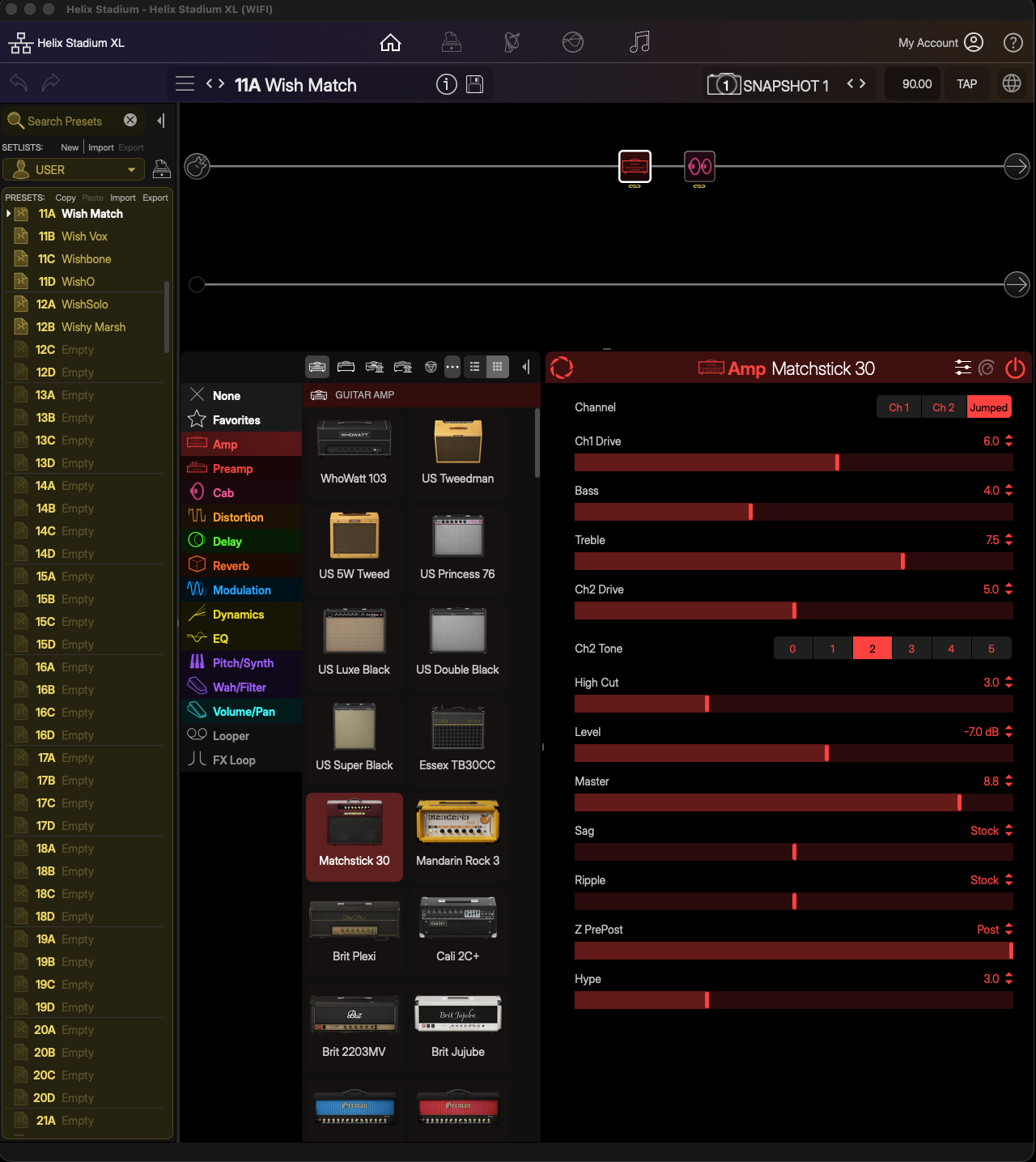
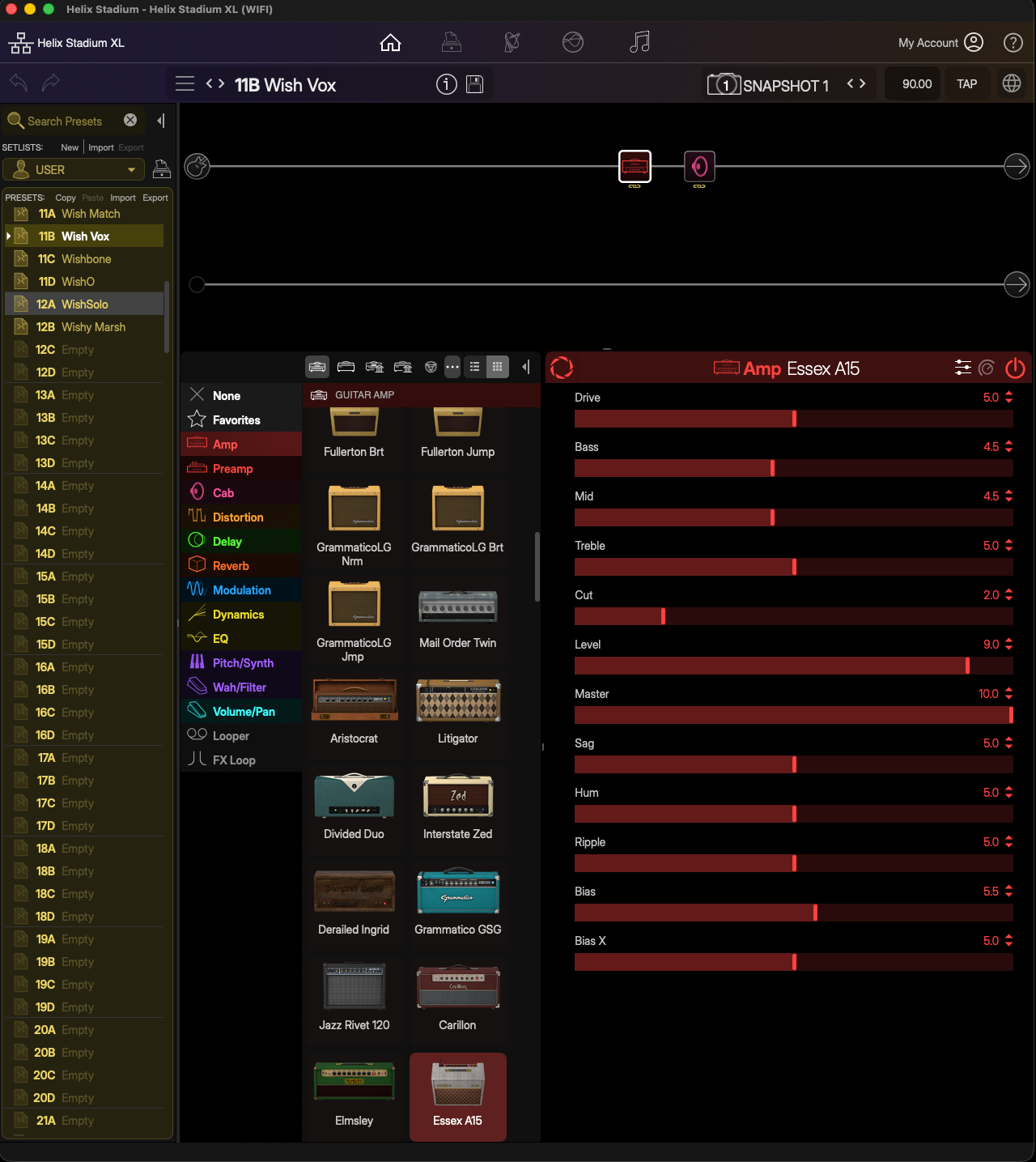
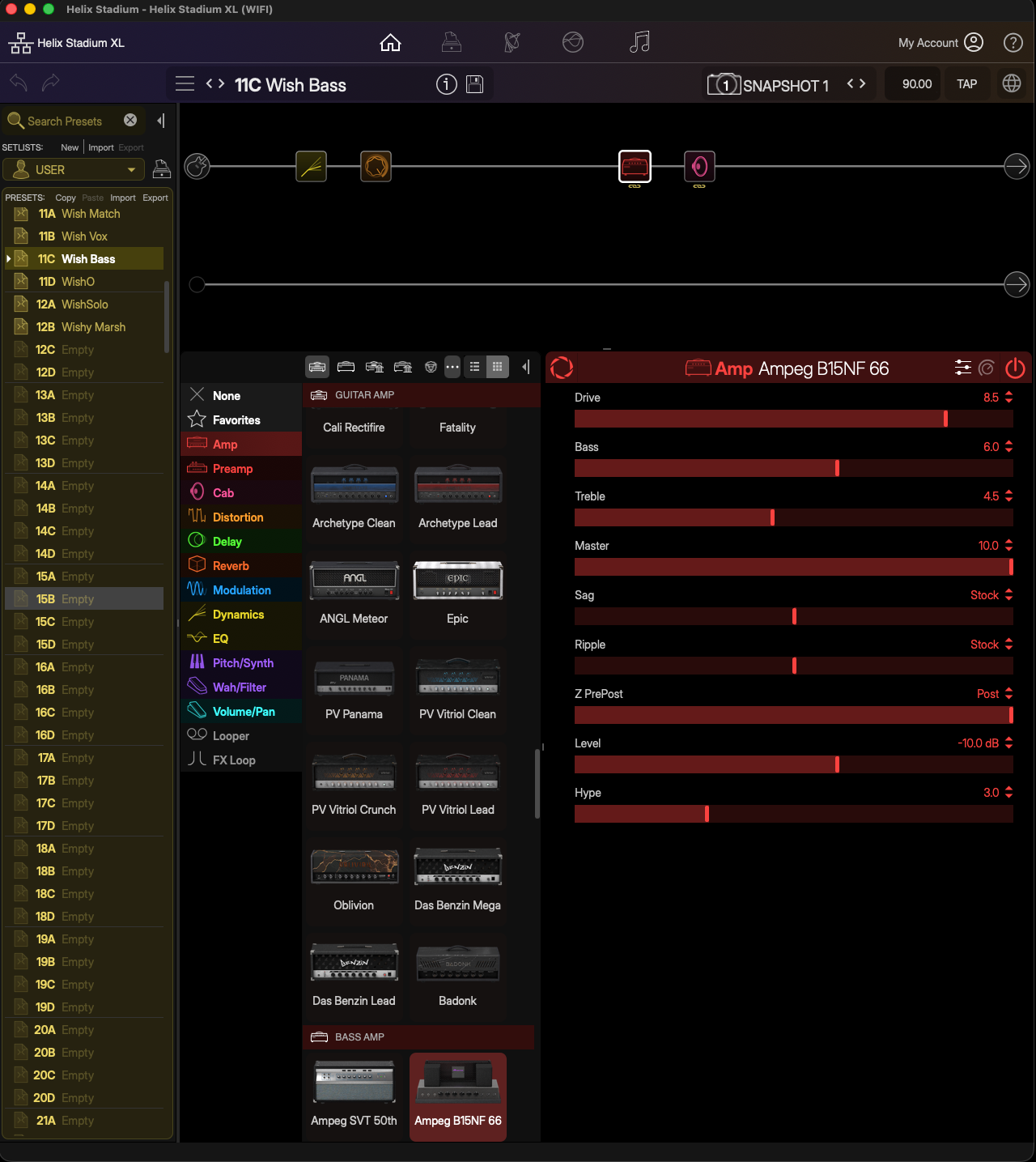
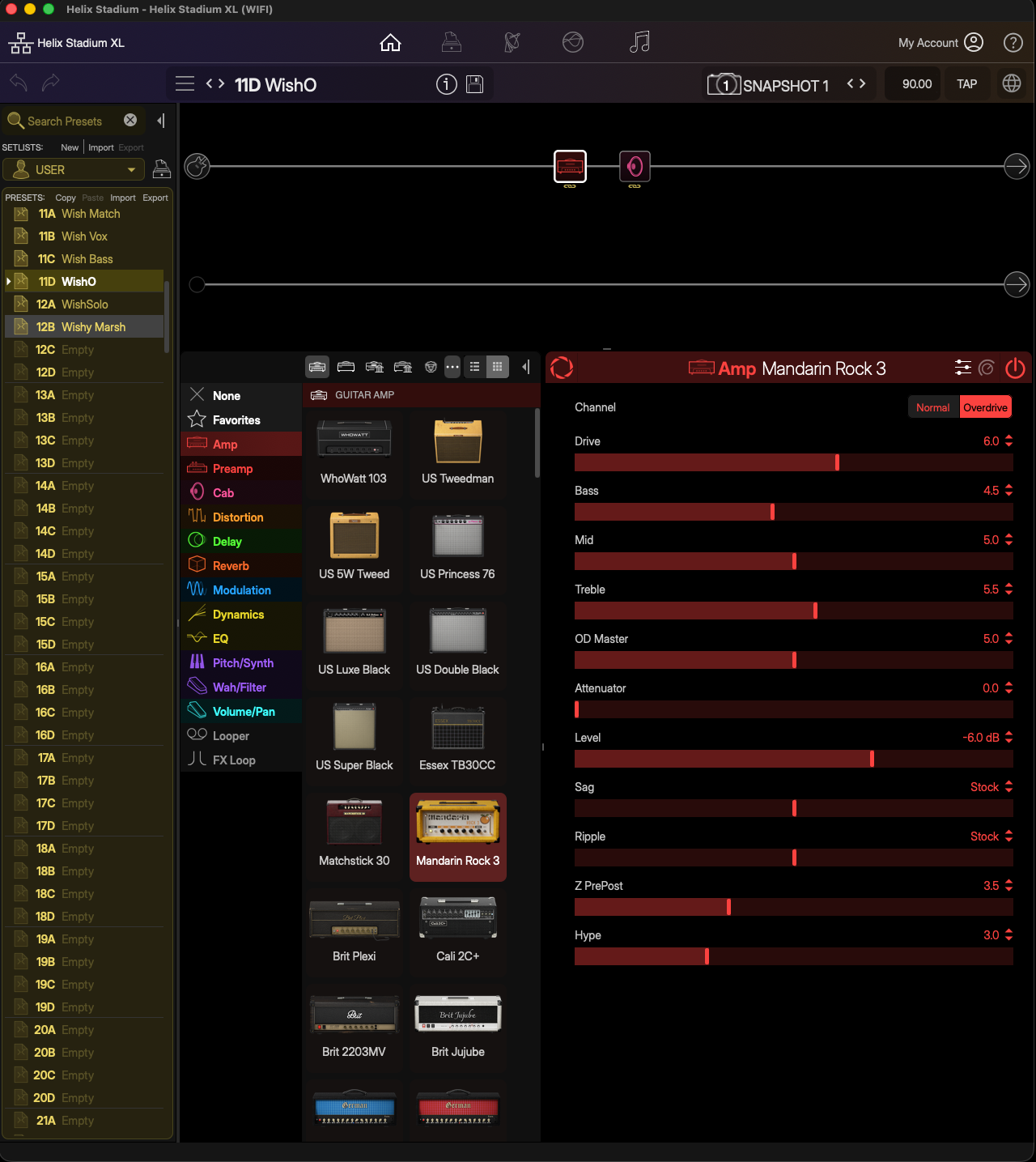
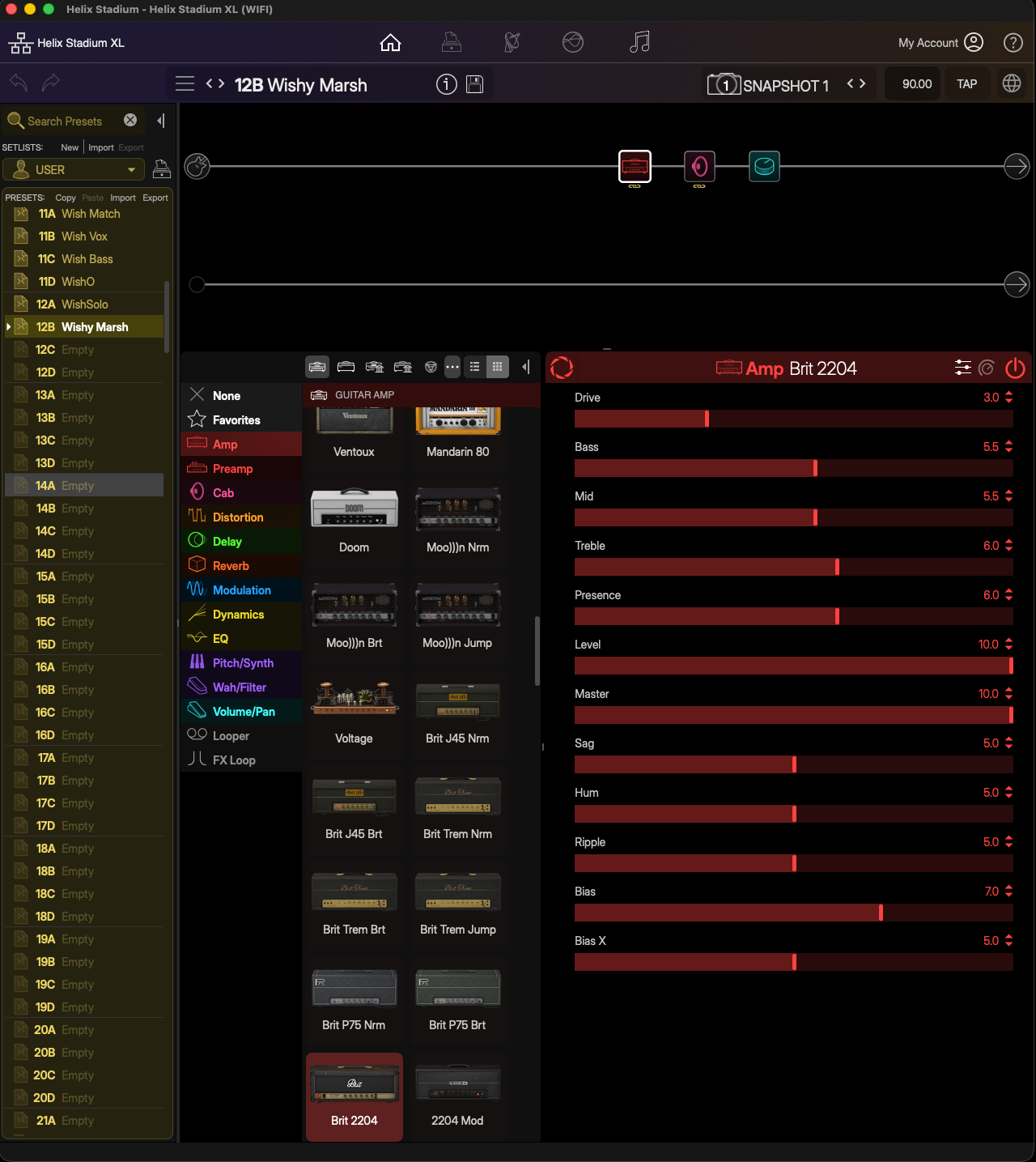
While I plan to integrate the upcoming Expand D10 digital I/O expansion unit once it's available for the Helix Stadium XL (allowing digital VDI integration), the Helix LT handled all guitar model snapshots and tuning seamlessly for this project. The amp models were meticulously designed within the Helix Stadium Native app to offer total flexibility in achieving the desired mix that closely resembles the original song.
Here is how the amp models were staged across the arrangement:
- Chime & Edge-of-Breakup (Verses/Chorus): Dual-amp arrangement using the Matchstick 30 (Matchless DC-30) and Essex A15 (Vox AC15). This provided a glassy top end while keeping the low-mids clean enough for complex Open E chord shapes.
- Bass Rig: The Ampeg B15NF 66 model yielded a warm, round vintage tube tone with Sans Amp saturation that locked in perfectly with the kick drum.
-
Massive Fuzz Outro: For the song's heavy, wall-of-sound finale, I kicked into heavy overdrive using the Mandarin Rock 3 (Orange Rockerverb) paired with the Brit 2204 (Marshall JCM800). Tracking these models provided a dense, harmonic blanket of gain without masking the main vocal lines.
 |
 |
 |
 |
 |
 |
4. Cover Song Licensing & Legal Distribution
If you’re planning to release cover songs on platforms like Bandcamp or iTunes, which allow fans to purchase and download music, obtaining a mechanical license is important to ensure that the original songwriters receive their royalties.
Navigating statutory rates, compulsory licenses, and distribution clearance can be challenging for independent artists. For an explanation on how to legally license a cover song for release, watch this video guide: Watch this Cover Song Licensing Guide on YouTube.
Resources & Gear Links
Check out these references for additional details on the gear, tabs, and original production:
- The Get Alternative Track Review – Track breakdown and review of Wishy's release.
- Ultimate Guitar Reference Tab – The primary tab used to map out the Open E guitar voicings.
- Chord Rocks Open E Diagram – Interactive chart for identifying custom Open E chords.
- Wishy Reddit AMA – Insights directly from Kevin and Nina on their instruments and songwriting process.
- Premier Guitar: Peavey T-60 Deep Dive – In-depth look at the unique circuitry and design of the Peavey T-60.
- Line 6 Variax Pilot’s Guide – Technical manual detailing Variax guitar models and pickup switching.
- Line 6 Helix Stadium Platform – Information on the next-gen Helix platform and Expand D10 expansion hardware.
More Musings & Video Content
Explore more articles on recording, digital modeling, and music production over on my After Audio Musings Page.
The Aurelia Drift – Releases from The Aurelia Drift.
Subscribe to the After Audio YouTube Channel for video gear breakdowns, A/B sound tests, and production tutorials.