If you’ve been hanging around the studio for any length of time, chances are you already know and love RC-20 Retro Color. It’s long been a reliable staple for dialing in analog warmth, character, and texture. With XLN Audio releasing the RC-20 Version 2 update, I’ve been looking into it to see how it reshapes the creative process and what new possibilities it brings to the table.
I’m currently spending some dedicated time exploring the plugin and uncovering everything it has to offer. Down the road, I plan on releasing some video content to demonstrate how these updates can serve as an inspiration engine—sparking new ideas, elevating standard sounds, and opening up new sonic textures.
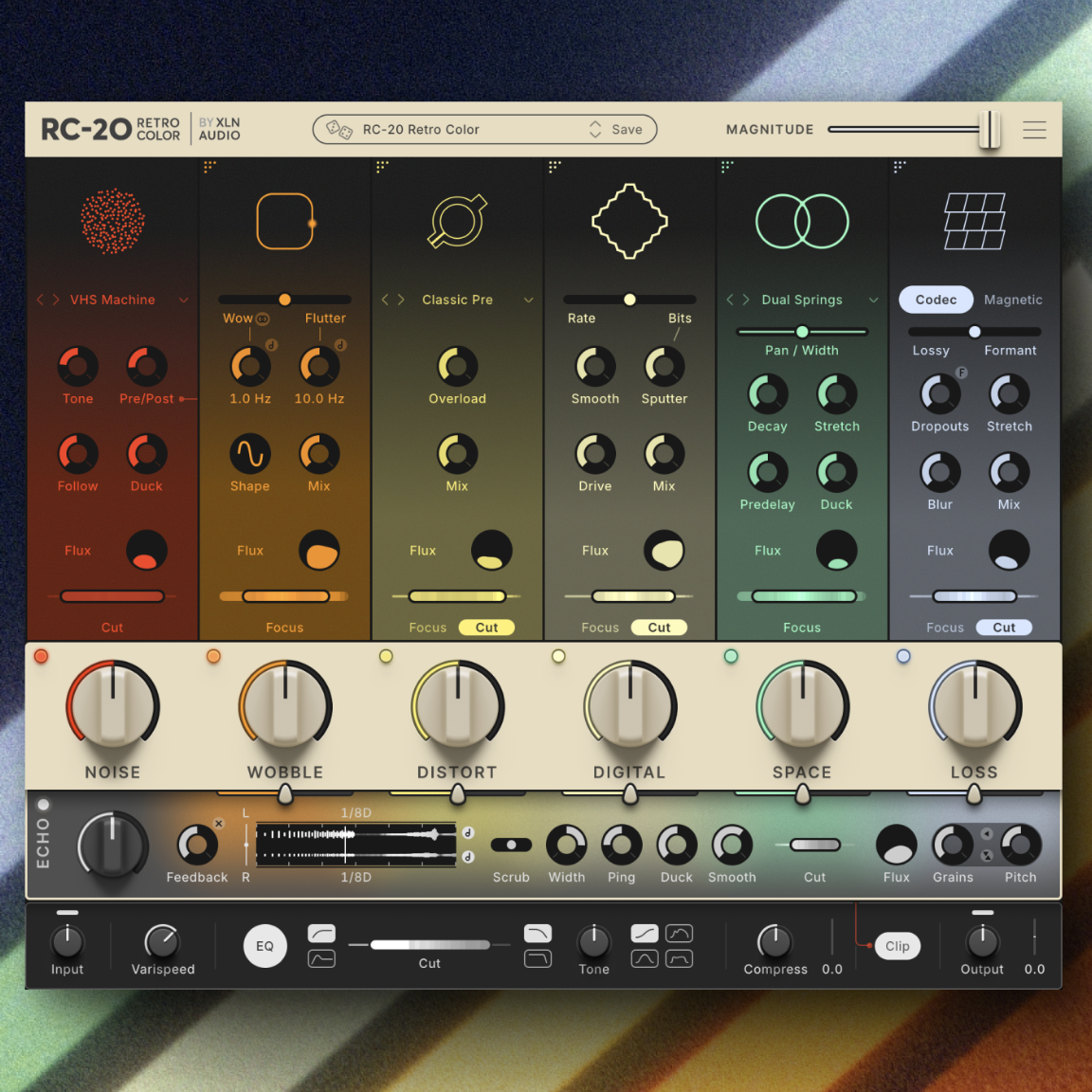
What’s New in Version 2
XLN Audio added a big list of features and workflow enhancements to V2:
- New Echo Module: A dedicated feedback delay where processing modules (Wobble, Distort, Digital, Space, Loss) process the delay repeats inside the loop. Includes tempo sync, Ping/Pong, Ducking, Scrub, and a granular Grains section.
- New Codec Mode (Loss Module): Adds MP3-style lossy digital compression, packet loss dropouts, audio repeats, FFT Freeze, and formant shifting alongside classic tape/magnetic emulation.
- Varispeed: Tape-style pitched-down playback (half, quarter, or eighth speed) that stays synchronized with your host DAW tempo.
- Expanded Space Module: Features the original "Classic" reverb alongside 32 brand-new acoustic and spatial algorithms.
- Movable Module Ordering: You can now click and drag the processing modules into any order to customize signal flow and discover new sonic interactions.
- Module Upgrades Across the Board: Includes 17 new Noise types with Pre/Post routing, tempo sync and new shapes in Wobble, three new Distort algorithms, and Sputter/Drive in Digital.
- Expanded Master Section & Utilities: Built-in master compression, Clip soft-clipping, two new Tone modes, Width In/Out controls, one-click automatic Loudness Level Matching, and oversampling.
- Workflow Enhancements: Full Undo/Redo history, snapshot comparisons, module locking, and modifier-key multi-parameter control.
Instant Inspiration & Workflow Gains
Simply spending time browsing through the presets in V2 has already surfaced a ton of inspiration. XLN put real thought into the workflow improvements this time around. The updated preset browser feels noticeably faster and more efficient when searching for specific characters or filtering tags. When you're mid-session, having tools that get out of the way and let ideas flow smoothly makes a world of difference.
It’s an incredibly intuitive and creative plugin, offering a lot of depth whether you're producing, mixing, or designing sounds from scratch.
Standout New Features
A few notable updates stand out right away during initial exploration:
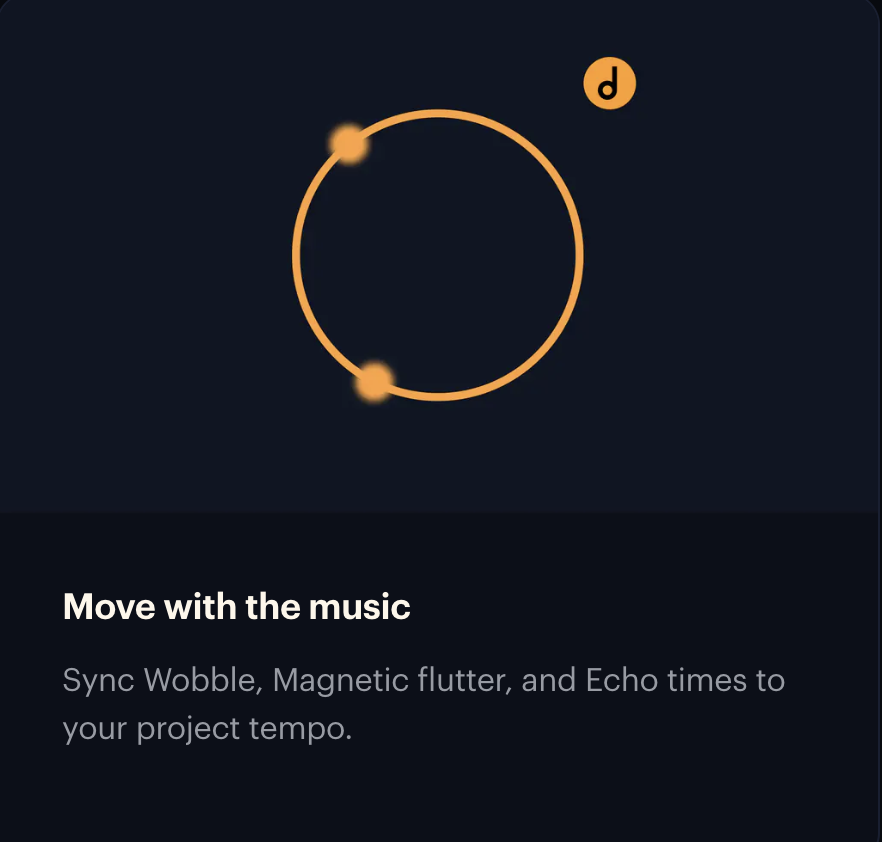
- Tempo Syncing: Foundational updates like seamless tempo sync with host project tempo allow modulating parameters to lock in naturally with your track's groove.
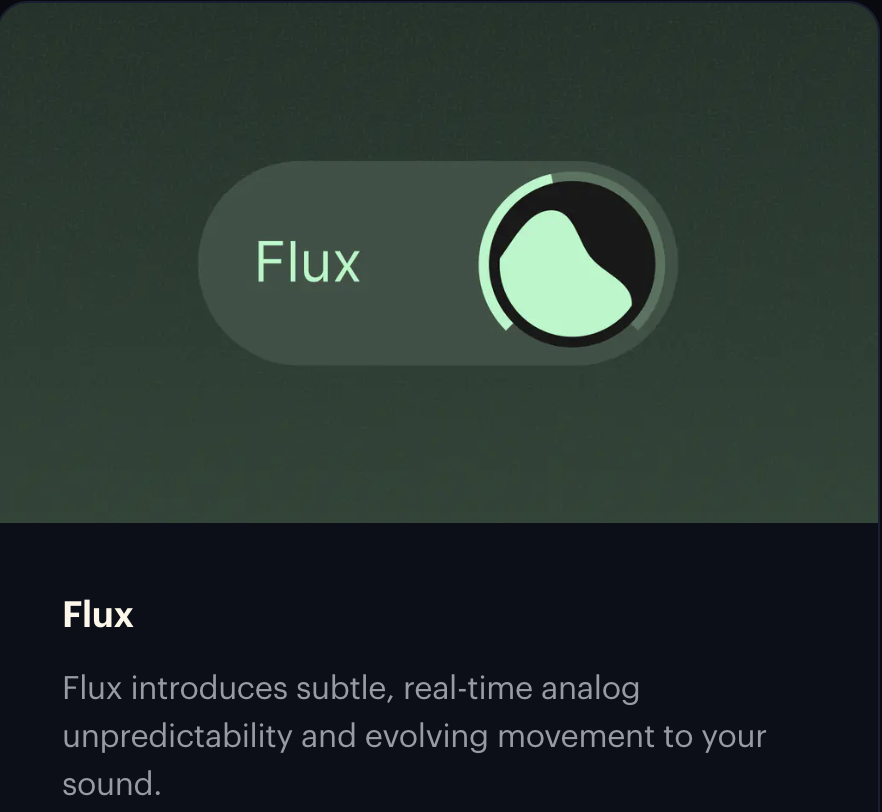
- Organic Movement with Flux: The Flux control brings an organic, subtle unpredictability tailored specifically to each individual module, keeping sounds dynamic and evolving rather than static.
- The New Echo Module: This is a fantastic creative addition. The Echo module routes delay repeats directly back through RC-20's processing modules, letting delay tails age, wobble, and distort with every pass.

Looking Ahead
There is a lot more to unpack here, and I’m looking forward to sharing deeper insights as I continue experimenting with V2. Keep an eye out for upcoming video content where we'll look closer at some practical applications and sound design workflows.
Check out my other blog posts and gear thoughts on my Musings Page.